
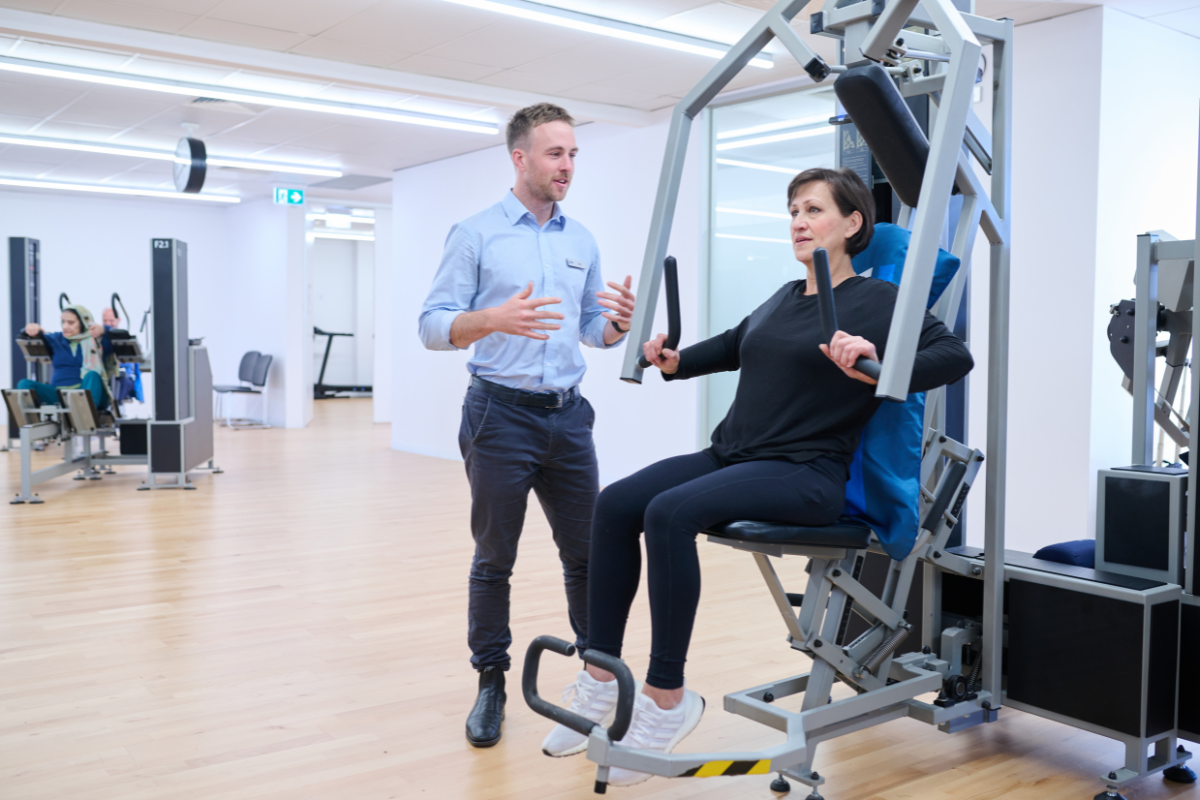
Physiotherapy techniques rely on biological principles that explain how tissues adapt, heal, and respond to targeted movement, and this scientific foundation helps therapists choose methods that improve mobility, reduce pain, and support long-term recovery in safe and predictable ways.
Why do physiotherapy techniques rely on body mechanics?
Physiotherapy depends on understanding how joints, muscles, and nerves work together during movement. This connection guides treatment choices and explains why certain methods feel more effective. According to our editor’s research, body mechanics influence how force travels through the limbs. Therapists study posture and motion because each small detail changes the stress placed on tissues. A simple shift in joint alignment can reduce strain dramatically. These insights form the base of treatment. Patients often feel improvement once mechanics become more efficient. Proper mechanics also prevent future injuries.
How does tissue healing shape physiotherapy plans?
Healing occurs in stages, and physiotherapy adapts to each stage carefully. Early swelling reduces over days while new collagen forms later. As a result of our editor’s reviews, therapists adjust treatments to avoid disturbing new tissue. Gentle movements increase blood flow without harming healing structures. Later exercises encourage tissue remodeling. These stages remain important because healing tissues respond differently at each point. Knowing this timeline helps therapists design safe progressions. Patients recover faster when exercises match healing capacity. This approach supports long-term strength.
Why is muscle activation important for recovery?
Muscle activation ensures that key muscles work at the right time. Injuries often cause certain muscles to switch off. Physiotherapy helps reintroduce proper patterns. According to our editor’s research, many patients rely on compensating muscles when pain is present. These compensations create imbalances that worsen discomfort. Activation restores harmony between stabilizing and moving muscles. Exercises target specific fibers gently. Repeated practice improves coordination and strength. Proper activation reduces joint strain significantly. This technique forms a core part of treatment.
How does manual therapy influence tissue mobility?
Manual therapy improves tissue mobility by stretching tight structures and calming overactive muscles. Therapists use their hands to guide motion and release tension. As a result of our editor’s reviews, targeted touches stimulate sensors in the skin and fascia. These sensors send messages that relax the area. Gentle pressure increases sliding between tissue layers. This allows smoother movement around joints. Manual therapy also reduces pain by interrupting nerve signals temporarily. Its effects support better exercise performance afterward. Many patients feel immediate relief.
Why does stretching work differently for various tissues?
Stretching affects muscles, tendons, and fascia in unique ways. Muscles lengthen more easily while tendons resist change. According to our editor’s research, fascia responds to slow and sustained stretches. Quick movements mainly influence nerves. Stretching improves circulation and reduces stiffness. Each tissue responds according to its structure and function. Therapists choose the correct type of stretch to match the target. Gentle stretching prepares the body for intense activities. Regular stretching improves mobility significantly. It also reduces injury risk.
How does strengthening promote long-term stability?
Strengthening builds endurance and resilience in weak areas. Injury often reduces muscle power. Physiotherapy restores strength in controlled steps. As a result of our editor’s reviews, strong muscles protect joints by absorbing force. Strength programs follow progressive patterns. Small increases prepare the body for larger challenges. Strengthening also supports balance and coordination. These benefits reduce future injury risk. Targeted strengthening works best with consistent practice. Patients often notice functional improvements quickly.
Why is balance training essential for neural control?
Balance training improves coordination between the brain and the body. When balance decreases, movements become unsafe. Physiotherapy retrains the nervous system to respond quickly. According to our editor’s research, balance exercises stimulate receptors in the feet, joints, and inner ear. These receptors send constant updates to the brain. Better communication improves stability during daily tasks. Balance training also reduces fall risk. It works especially well for older adults and athletes. Improved balance enhances overall mobility.
How does pain science influence physiotherapy choices?
Pain science examines how the brain interprets signals from the body. Understanding this helps therapists guide recovery more effectively. Some pain persists even after tissues heal. As a result of our editor’s reviews, physiotherapy uses graded exposure to reduce pain sensitivity. Gentle movements reassure the brain that activity is safe. Over time, nerves become less reactive. Education also helps reduce fear of movement. Pain science supports a holistic approach to treatment. Patients often feel encouraged by better understanding their symptoms.
Why do therapists use heat or cold during treatment?
Heat and cold influence circulation and nerve activity. Heat increases blood flow and relaxes tight tissues. Cold reduces swelling and numbs painful areas. According to our editor’s research, these methods prepare the body for exercise. Heat works well before stretching. Cold helps after intense activity. Each method supports the healing process. Therapists choose based on the current stage of recovery. Proper timing enhances treatment results. These tools remain simple yet effective.
How does technology enhance physiotherapy outcomes?
Technology supports physiotherapy by providing better assessment tools and more precise exercises. Motion sensors show how joints move in real time. These insights improve treatment accuracy. As a result of our editor’s reviews, ultrasound devices help relax deep tissues through sound waves. Electrical stimulation activates weak muscles safely. These tools complement traditional exercises. They help patients progress faster. Technology offers valuable data for long-term planning. Therapists combine tools with manual techniques for best results.
Why does posture play a central role in recovery?
Posture affects breathing, circulation, and joint alignment. Poor posture increases strain in multiple areas. Physiotherapy teaches efficient positioning. According to our editor’s research, correcting posture reduces unnecessary muscle tension. Small adjustments make daily activities easier. Better posture supports healthier movement patterns. It also helps prevent future injuries. Daily habits influence posture naturally. Training these habits builds long-lasting benefits.
How do therapists customize each treatment plan?
Treatment plans depend on individual needs. No two injuries follow identical patterns. As a result of our editor’s reviews, therapists assess movement, strength, and lifestyle. These insights shape personalized strategies. Plans adapt as patients improve. This flexibility supports safe progress. Customized care increases motivation and confidence. Each patient benefits from a targeted approach. This personalization improves overall outcomes.