
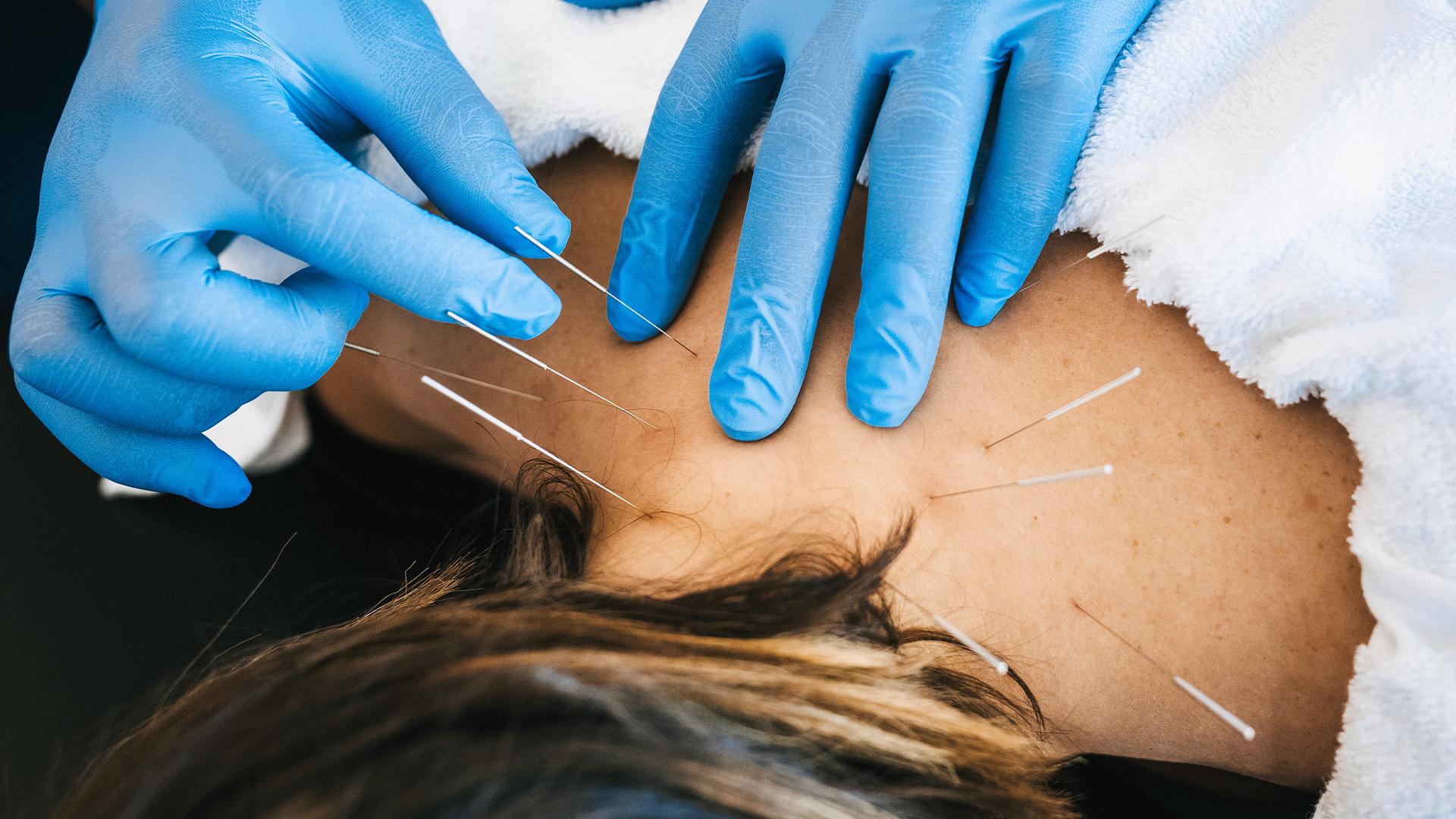
Muscle pain often feels stubborn and personal. Some days it fades with movement. Other days it lingers despite good intentions. Many people hear about dry needling from friends or therapists. Curiosity mixes with hesitation. Is it painful, effective, or even necessary? According to our editor’s clinical feature reviews, uncertainty keeps many people from asking informed questions. Let’s unpack this calmly and practically.
What is dry needling?
Dry needling is a technique used by trained clinicians to target muscle trigger points. Thin needles are inserted into tight muscle bands. The goal is to reduce tension and improve movement. Unlike injections, no medication is used. According to our editor’s treatment overviews, the term “dry” simply reflects the absence of fluids. The approach focuses on neuromuscular response. Sessions are typically brief and controlled.
How is dry needling different from acupuncture?
Dry needling and acupuncture use similar needles but differ in purpose. Acupuncture follows traditional meridian concepts. Dry needling targets specific muscular trigger points. The clinical framework is based on anatomy and pain science. According to our editor’s comparative therapy notes, intent separates the techniques. One aims to balance energy flow. The other aims to release muscle dysfunction.
Why do muscles develop trigger points?
Trigger points form when muscles remain overloaded or stressed. Repetitive movements contribute significantly. Poor posture can maintain constant muscle activation. Injury or sudden strain may also initiate tight bands. According to our editor’s biomechanics reviews, reduced blood flow worsens tension. The muscle becomes sensitive and reactive. Pain may radiate beyond the point itself.
What problems is dry needling commonly used for?
Dry needling is often used for muscle related pain. Neck stiffness and shoulder tension are frequent targets. Lower back discomfort is another common reason. Athletes may use it for recovery support. According to our editor’s practice summaries, it is not limited to athletes. Office workers and older adults also seek it. The common factor is muscular tightness.
How does dry needling work inside the muscle?
When the needle enters a trigger point, it stimulates a local response. The muscle may twitch briefly. This twitch indicates a release reaction. Blood flow improves afterward. According to our editor’s physiological insights, the nervous system resets tension signals. Pain sensitivity may decrease. Movement often feels freer afterward.
Does dry needling hurt?
Sensation varies between individuals. Some feel a quick pinch. Others notice a deep ache momentarily. The twitch response can feel surprising. According to our editor’s patient feedback analysis, discomfort is usually brief. Lingering soreness may occur afterward. Most describe it as manageable rather than painful.
Who can safely receive dry needling?
Many adults can safely receive dry needling. A proper assessment is essential first. Clinicians review medical history carefully. Certain bleeding disorders require caution. According to our editor’s safety briefings, pregnancy may limit specific areas. Open communication ensures safety. Suitability is always individualized.
Who should avoid dry needling?
Some people should avoid dry needling. Severe needle phobia may be limiting. Skin infections near treatment areas are contraindications. Certain medical conditions require alternative approaches. According to our editor’s clinical caution notes, untrained providers pose risk. Choosing a qualified practitioner matters. Safety screening protects outcomes.
What training do practitioners need?
Dry needling requires specialized education. Practitioners study anatomy extensively. Training includes needle handling and safety protocols. Regulations vary by region. According to our editor’s professional standards review, certification matters. Patients should ask about credentials. Proper training reduces complications.
What happens during a typical session?
A session begins with assessment and discussion. The practitioner identifies target muscles. Needles are inserted briefly and precisely. Patients remain relaxed on a treatment table. According to our editor’s session walkthroughs, treatment time is usually short. Needles may stay in place briefly. Communication continues throughout.
How long does a session usually take?
Dry needling sessions often last between ten and thirty minutes. Time depends on the number of areas treated. Assessment may take longer than needling itself. According to our editor’s clinic flow observations, efficiency supports comfort. Sessions fit within broader therapy plans. They rarely stand alone.
What should you expect after treatment?
After treatment, muscles may feel lighter or looser. Mild soreness is common for a day. Bruising may occur occasionally. According to our editor’s recovery notes, hydration helps recovery. Gentle movement is usually encouraged. Severe pain is uncommon and should be reported.
How many sessions are usually needed?
The number of sessions varies widely. Some feel improvement after one session. Others need several treatments. Chronic conditions often require repeated care. According to our editor’s outcome summaries, response depends on cause and duration. Dry needling is rarely a one time cure. Progress is evaluated continuously.
Is dry needling backed by evidence?
Research on dry needling continues to evolve. Many studies show short term pain reduction. Functional improvement is often reported. Long term benefits vary. According to our editor’s literature scans, results depend on proper application. It works best as part of a broader plan. Evidence supports selective use.
How does dry needling fit into physical therapy?
Dry needling complements other therapies. It often precedes exercise or manual work. Releasing tension improves movement quality. According to our editor’s rehabilitation insights, integration matters. Exercise reinforces gains achieved by needling. Passive treatment alone is insufficient.
Can dry needling replace exercise or stretching?
Dry needling does not replace active rehabilitation. It prepares muscles for movement. Strengthening and mobility remain essential. According to our editor’s treatment balance reviews, reliance on needles alone limits progress. Active participation ensures lasting results. Movement completes the process.
What risks should be considered?
Risks are generally low with trained providers. Minor bleeding or soreness may occur. Infection risk is minimal with sterile technique. According to our editor’s safety monitoring, serious complications are rare. Proper anatomical knowledge reduces risk further. Informed consent remains essential.
How does dry needling compare to massage?
Massage uses external pressure to relax tissues. Dry needling targets deeper trigger points directly. Both aim to reduce tension. According to our editor’s therapy comparisons, some prefer one approach. Others benefit from both combined. Choice depends on tolerance and goals.
What about dry needling versus injections?
Injections deliver medication to tissues. Dry needling uses mechanical stimulation only. Injections may reduce inflammation chemically. According to our editor’s clinical contrasts, dry needling avoids drug exposure. Each has appropriate use cases. Decisions depend on diagnosis.
Is dry needling suitable for athletes?
Athletes often use dry needling for recovery. Muscle overload is common in training. Faster tension release supports performance. According to our editor’s sports therapy reviews, timing matters around competition. Overuse should be avoided. Integration with training plans is important.
Can older adults benefit from dry needling?
Older adults may benefit with proper screening. Muscle stiffness increases with age. Gentle application is required. According to our editor’s aging care notes, response varies individually. Balance and circulation considerations matter. Conservative approaches often work best.
How does dry needling affect chronic pain?
Chronic pain involves nervous system sensitivity. Dry needling may reduce peripheral input temporarily. According to our editor’s pain science features, it is not a cure. Combined strategies work better. Education and movement remain key components.
What misconceptions exist about dry needling?
Many assume dry needling is dangerous. Others expect instant cures. These beliefs create unrealistic expectations. According to our editor’s myth analysis, education improves satisfaction. Understanding limitations prevents disappointment. Realistic goals support better experiences.
How should you decide if dry needling is right for you?
Decision begins with proper assessment. Symptoms, goals, and preferences matter. Discussion with a qualified clinician helps clarity. According to our editor’s decision guidance, informed choice reduces regret. Trying one session may offer insight. Listening to your body guides direction.
What questions should you ask your provider?
Ask about training and experience. Discuss expected benefits and risks. Clarify how it fits your plan. According to our editor’s patient communication reviews, questions empower patients. Clear answers build trust. Never hesitate to ask.
How does personal comfort influence outcomes?
Comfort influences muscle relaxation. Anxiety increases tension. Trust improves response. According to our editor’s patient experience insights, feeling safe matters. Open communication enhances effectiveness. Treatment should never feel forced.
What role does aftercare play?
Aftercare supports lasting benefit. Gentle movement helps circulation. Hydration supports tissue recovery. According to our editor’s aftercare observations, ignoring aftercare limits results. Simple steps matter. Follow guidance consistently.
Is dry needling a long term solution?
Dry needling offers short to medium term relief. Long term solutions require habit changes. Posture, strength, and movement patterns matter. According to our editor’s long term care synthesis, needles alone are insufficient. Sustainable change requires active effort.
What should you remember most?
Dry needling is a tool, not a miracle. It suits certain conditions and people. Proper assessment ensures safety and benefit. According to our editor’s overall therapy perspective, informed use improves outcomes. Balance expectations with understanding. Personal choice matters.